September 21, 2026
Managing industrial, commercial, and household hazardous waste safely is critical for public health and environmental protection. However, pervasive myths and misunderstandings regarding how hazardous substances are handled often lead to improper disposal practices, compliance penalties, and unnecessary environmental risks. From underestimating what qualifies as hazardous material to assuming standard waste management equipment is sufficient for spill remediation, relying on incorrect information can be a costly mistake.
Understanding the proper protocols, equipment, and regulatory requirements is essential for business owners, facility managers, and homeowners alike. By dispelling these common misconceptions, individuals and organizations can better protect their surrounding communities, minimize liability, and streamline their environmental management operations.
Misconception 1: "If It's Liquid, It Can Go Down the Drain"
One of the most dangerous myths surrounding waste management is the belief that pouring liquid waste down municipal drains or storm drains is an acceptable disposal method. Many people assume that water treatment facilities are designed to filter out any chemical compound, or that rainwater runoff simply dilutes contaminants until they become harmless.
In reality, municipal sewer systems and wastewater treatment plants are engineered primarily to process organic human waste and domestic water. Synthetic chemicals, solvents, heavy metals, and petroleum products pass through conventional treatment processes virtually untouched, entering lakes, rivers, and coastal ecosystems where they disrupt marine life and contaminate drinking sources. Furthermore, pouring hazardous liquids into outdoor storm drains directs toxic materials straight into waterways without any filtration whatsoever.
Proper liquid waste management requires special containment and special transport. Utilizing local vacuum truck services ensures that large volumes of hazardous liquids, sludge, and chemical runoff are safely contained directly at the source and transported to designated, licensed processing facilities rather than municipal infrastructure.
Misconception 2: "Hazardous Waste Processing Only Applies to Large Factories"
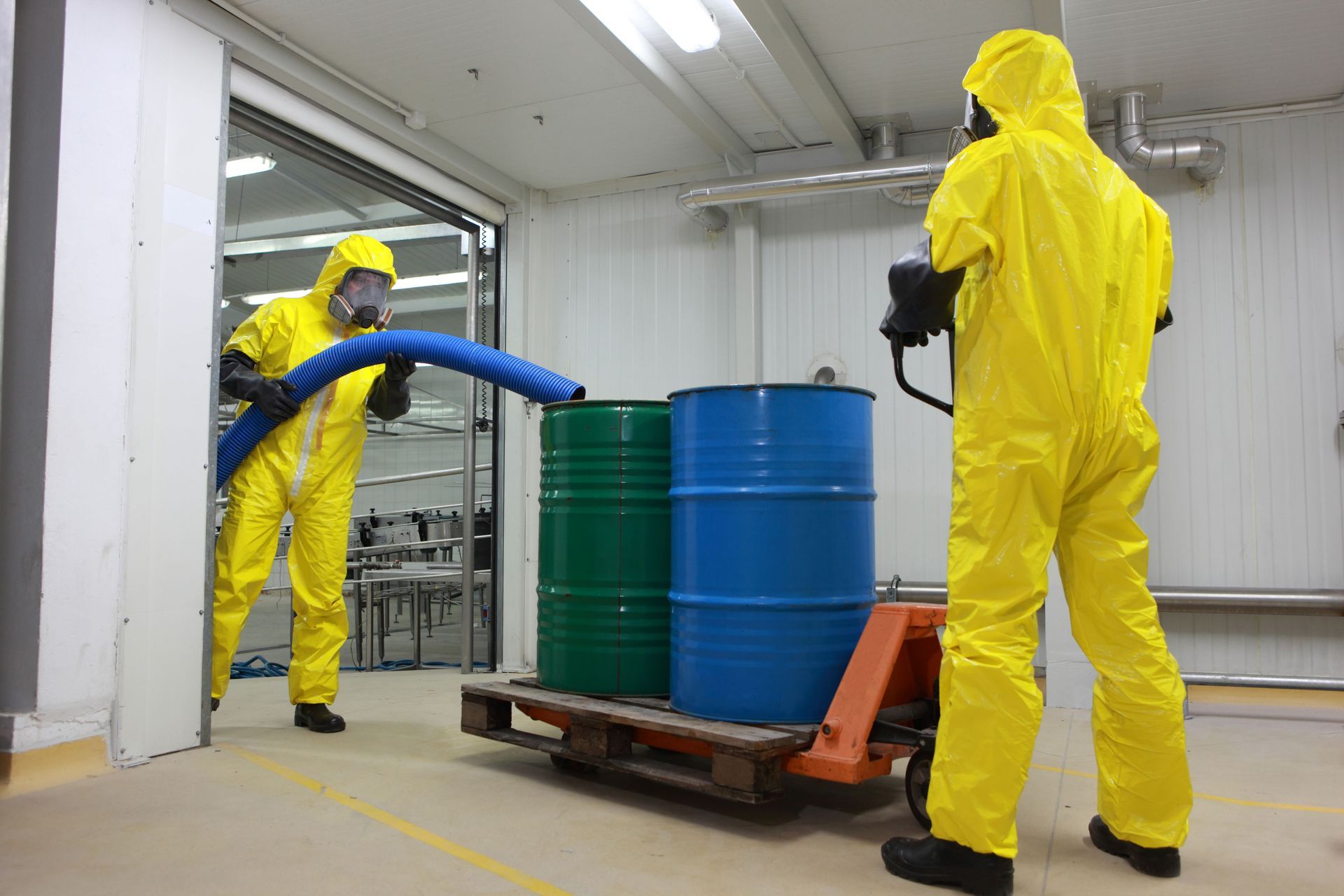
It is easy to imagine hazardous waste as glowing green barrels emerging strictly from chemical refining plants or heavy manufacturing facilities. Consequently, small business operators, such as auto repair shops, dry cleaners, print shops, and medical clinics, frequently assume that strict environmental compliance rules don't apply to them.
Environmental regulations govern waste based on the intrinsic chemical characteristics of the material, such as reactivity or toxicity, rather than the size of the facility generating it. A small print shop producing solvent-laden rags or a local auto garage accumulating used motor oil, antifreeze, and brake fluids generates hazardous materials that require strict tracking, containment, and disposal under environmental laws.
Failing to implement proper disposal procedures exposes small operations to significant fines, legal liability, and safety hazards. Small businesses frequently contract local vacuum truck services to empty interceptors, sumps, and holding tanks to maintain continuous compliance without needing to invest in heavy industrial infrastructure themselves.
Misconception 3: "Standard Commercial Trash Trucks Can Handle Any Waste"
A frequent assumption is that waste removal simply requires a heavy-duty truck and standard containment bins. Commercial facilities sometimes try to dispose of heavy sludge, contaminated mud, or liquid chemicals through standard waste hauling channels, assuming that municipal or standard commercial garbage trucks can handle whatever is placed in the bin.
Standard waste haulers operate trucks meant for dry, solid municipal waste. These vehicles lack liquid-tight seal integrity, secondary containment, and pressure-controlled pumping systems required to safely transport liquid or hazardous materials. Attempting to load liquid or toxic sludge into standard trash trucks leads to leaks along public roadways, chemical reactions, and significant environmental contamination.
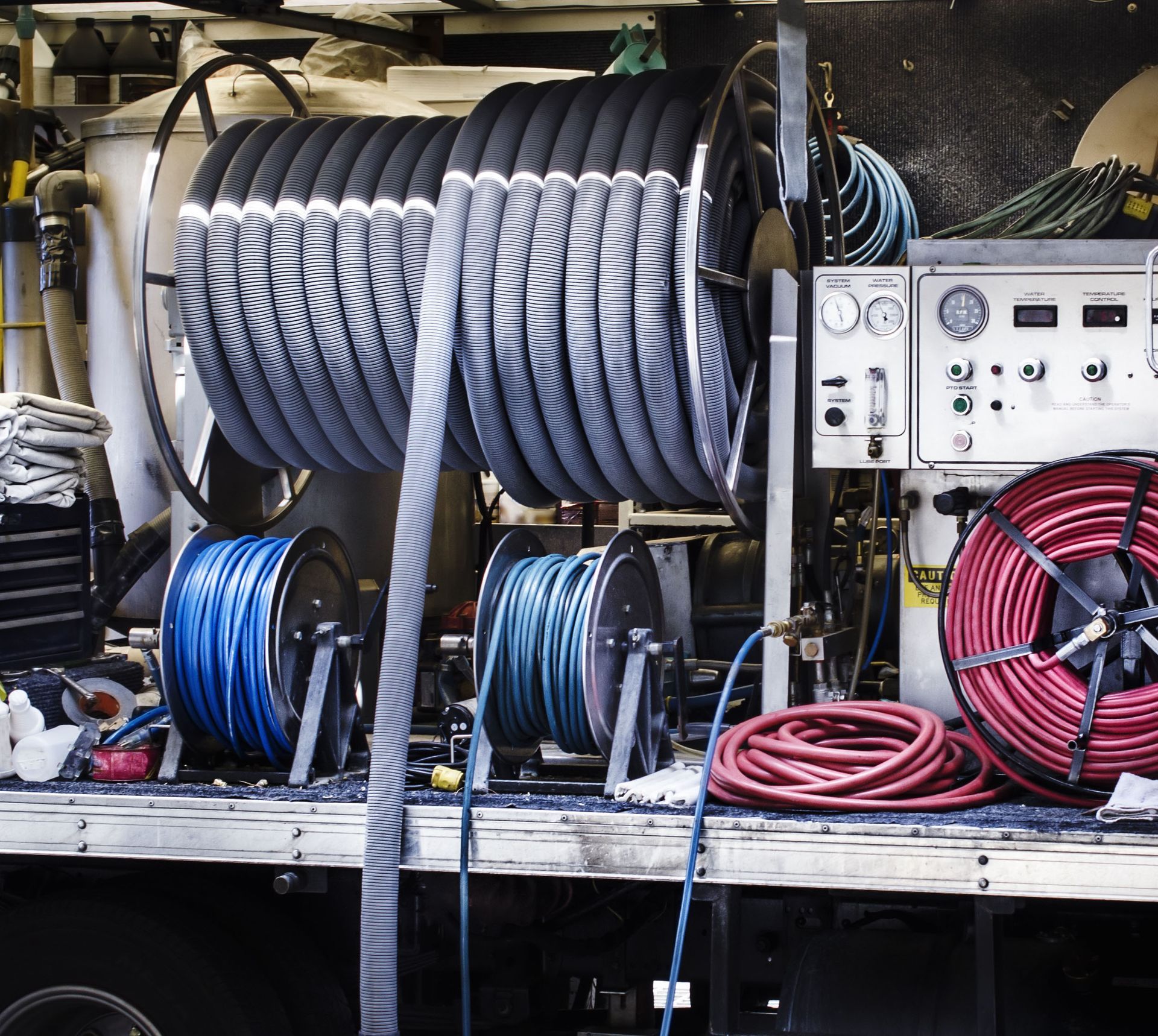
Specialized tasks require specialized equipment built specifically for hazardous transport. According to Yahoo! Finance, vacuum trucks are crucial for three services: storm drain maintenance, septic tank pumping, and hazardous waste disposal. Relying on a local vacuum truck service ensures that dense sludge, liquid runoff, and hazardous residues are safely extracted using sealed vacuum power, preventing spills and airborne contamination during transport.
Misconception 4: "Proper Hazardous Waste Disposal Is Cost-Prohibitive"
A primary reason organizations delay establishing formal hazardous waste contracts is the perception that professional remediation and removal services will break their operational budget. Many view proper disposal as an exorbitant overhead expense rather than a routine component of responsible facility management.
While specialized removal services require an investment, attempting unapproved disposal methods or delaying necessary maintenance almost always results in far higher costs long-term. Environmental protection agencies issue severe fines for non-compliance or improper storage. Moreover, if hazardous materials leak into local soil or groundwater, the resulting remediation costs, legal fees, and reputational damage far exceed the cost of routine, compliant disposal.
Working with experienced environmental service providers allows organizations to schedule routine maintenance efficiently. Scheduling local vacuum truck services for sump cleanouts, tank pumping, and spill interceptor maintenance helps facilities prevent costly emergency overflows, reduce downtime, and manage environmental costs predictably.
Misconception 5: "Recycling Facilities Take All Types of Household and Industrial Waste"
With the widespread promotion of recycling initiatives, many people assume that sending hazardous items to standard recycling centers is an environmentally responsible solution. Facilities often receive misplaced items like paint, batteries, motor oil, electronic waste, and chemical solvents mixed in with standard municipal recycling streams.
Standard material recovery facilities are designed specifically to sort paper, cardboard, glass, aluminum, and certain types of plastics. Introducing hazardous materials into these facilities creates severe occupational safety risks for workers, including chemical burns, toxic fumes, and equipment fires caused by ruptured containers or punctured lithium-ion batteries.
Hazardous waste requires processing streams distinct from conventional recycling. Many liquids and chemical products can indeed be re-refined, reclaimed, or recycled, but they must be collected separately through dedicated channels. Utilizing local vacuum truck services allows facilities to segregate liquid chemical waste cleanly at the point of origin, ensuring it reaches specialized re-refining facilities rather than contaminating standard recycling streams.
Misconception 6: "Once Waste Leaves the Property, the Generator Is No Longer Liable"
A critical legal misunderstanding among facility managers is the "out of sight, out of mind" belief regarding waste removal. Many believe that once a waste hauler picks up hazardous materials and drives off the property, all responsibility and liability transfers entirely to the contractor.
Under environmental regulations such as the "Cradle-to-Grave" framework established by the Resource Conservation and Recovery Act (RCRA) in the United States, the original generator of hazardous waste remains legally responsible for that waste from the moment it is produced until its ultimate destruction or disposal. If a sub-contracted hauler illegally dumps hazardous liquids or transports them to an unlicensed facility, the original generator can still be held liable for clean-up costs and environmental damages.
Because generator liability never completely disappears, vetting waste disposal partners is essential. Partnering with a fully licensed, insured, and certified environmental services provider that deploys modern, compliant equipment for every service call ensures that manifests are properly documented, materials are transported legally, and the generator's liability is thoroughly protected.
Misconception 7: "Chemical Waste Is the Only Type of Hazardous Waste"
When people think of hazardous waste, chemical solvents, industrial acids, and toxic manufacturing byproducts are usually the first items that come to mind. Consequently, non-chemical wastes, such as biological material, heavy sludge, grease interceptor waste, and contaminated stormwater runoff, are frequently mischaracterized as harmless everyday refuse.
In legal and environmental terms, "hazardous waste" covers a broad spectrum of materials that present potential threats to public health or the environment. Biological waste from healthcare facilities can carry dangerous pathogens. Dense industrial sludge often contain heavy metals and concentrated compounds that ruin soil health. Even accumulated sediment in stormwater catchment basins can harbor concentrated residues of petroleum, rubber, and heavy metals washed off parking lots and highways.
Proper environmental management requires evaluating all operational waste streams, not just chemical ones. Whether clearing contaminated catch basins, pumping out industrial separators, or managing biological sludge, utilizing professional extraction techniques keeps non-chemical hazards from compromising public safety and surrounding ecosystems.
Clearing up misconceptions about hazardous waste removal is crucial for maintaining safe workplaces, protecting local ecosystems, and avoiding costly legal liabilities. Hazardous waste management is governed by strict regulations for good reason: improper disposal carries severe long-term consequences for public health and the environment.
By understanding the true scope of hazardous materials, recognizing long-term legal responsibilities, and utilizing specialized extraction equipment when handling liquid and sludge waste, organizations can maintain seamless environmental compliance. Investing in professional remediation partners at ASC Environmental Services Inc ensures that hazardous materials are handled, transported, and disposed of safely, efficiently, and responsibly. Reach out to us today to get started!