October 21, 2026
Waste removal becomes more demanding when unwanted material collects inside the infrastructure people depend on every day. Sediment can restrict drainage, sludge can occupy space in treatment facilities, and debris can interrupt sewer flow. These problems involve more than keeping a site presentable. They affect the ability of public systems and working facilities to continue performing their intended functions, making effective removal an ongoing operational need.
Professional vacuum truck services meet these needs by extracting material from large drainage and wastewater systems. The same equipment also supports hydro excavation, where soil removal helps expose underground utilities for municipal projects. Together, recurring maintenance and project-specific work create several reasons to use vacuum equipment, while urgent cleanup adds demands that cannot always follow a planned schedule. The applications differ, but each depends on removing material that interferes with a system's function or necessary work.
A Broader Market Serves Several Applications
According to Fortune Business Insights, North America's vacuum truck market totaled $700 million in 2025 and is forecast to reach $760 million in 2026, with demand spanning industrial, municipal, excavation, and cleaning uses. A storm drainage network needs buildup removed so water can move through it, while a utility project needs soil removed to expose infrastructure below ground. The use of extraction in both recurring maintenance and project work helps explain why vacuum equipment serves more than one source of demand.
These applications arise on different timelines, allowing vacuum equipment to remain useful between large projects and during urgent events. Organizations may use vacuum truck services for recurring cleaning, a defined excavation project, or an unexpected obstruction that disrupts normal operations. A municipality, for example, may need ongoing drainage care as well as occasional utility excavation, with each application creating a distinct reason for professional material removal. The variety of work supports demand beyond a single cleaning task.
Drainage Needs Continue Between Major Projects
Storm drains and catch basins can collect sediment, leaves, trash, and other debris as water moves through the network. Over time, that material occupies space needed for drainage. This accumulation creates a recurring reason to use vacuum truck services, even when no major construction project is underway. Infrastructure that appears unchanged from the surface can therefore need cleaning because its internal condition has changed through repeated use and exposure.
Extraction addresses that accumulation by removing material from catch basins and storm drainage systems. The objective is to restore drainage function and reduce the potential for backups when rainfall places demands on the network. Removing sediment restores space within drainage assets that can otherwise become restricted by buildup. Because accumulation can return, maintenance remains relevant after a successful cleaning, with attention to conditions between periods of heavy rainfall.
Public works departments maintain multiple drainage assets, including catch basins, storm drains, and culverts. Cleaning serves the operation of that wider network by addressing material that restricts individual assets, so an apparently localized buildup can have significance beyond the opening where it is visible. This gives extraction a role in the continuing care of existing public infrastructure, with service needs shaped by where debris accumulates and how drainage is affected.
Wastewater Operation Depends on Available Capacity
Within wastewater systems, vacuum truck services address accumulations of grease, sediment, sludge, and debris. These materials can interfere with sewer flow or affect lift station operation, while sludge in municipal treatment facilities and holding tanks occupies usable capacity. Wastewater cleaning therefore has more than one operational purpose: it can address material obstructing a route through the system and remove buildup from facilities that need available space to function.
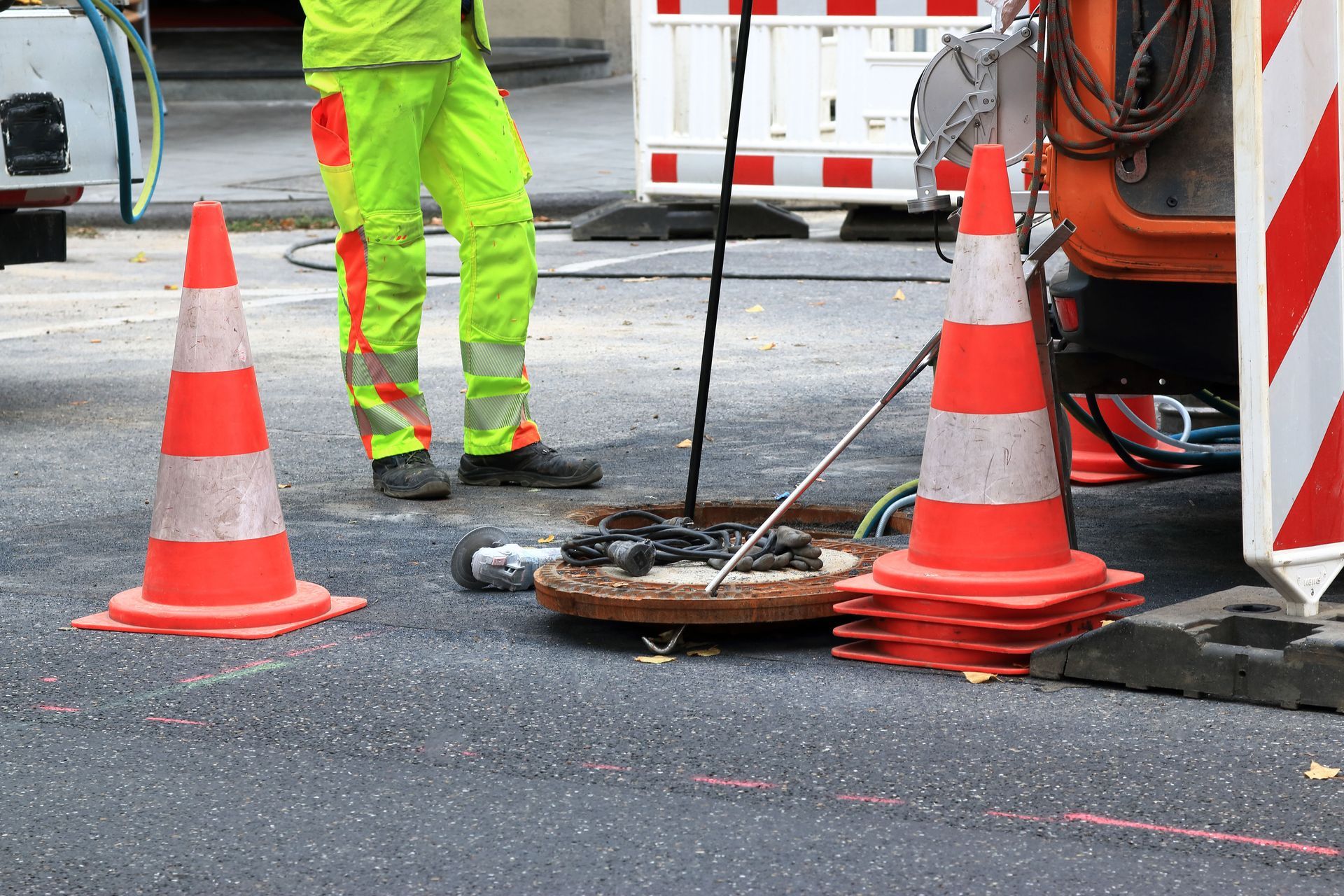
Cleaning sewer systems, manholes, and lift stations addresses material that can contribute to blockages or operational interruptions. Extraction is useful where substantial amounts of debris or liquid waste need removal, whether the work responds to an existing obstruction or forms part of scheduled care. Preventative cleaning helps reduce backup and overflow risks by addressing buildup before it develops into a more disruptive problem, keeping removal connected to the condition of the system.
Sludge removal has a different emphasis from clearing a blocked sewer line. In municipal treatment facilities and holding tanks, accumulated sludge takes up space, so extraction helps preserve treatment capacity and system performance. This can make removal necessary even when there is no visible overflow or complete obstruction. The service need comes from maintaining the facility's ability to function, giving wastewater operations another reason for regular professional attention.
Excavation Adds Another Reason for Material Removal
Hydro excavation adds a project-based application to an industry that also handles recurring maintenance. The method combines pressurized water and a vacuum system to remove soil and expose underground utilities, making material extraction part of the excavation process itself. Municipal utility work can therefore create demand for vacuum equipment independently of a sewer blockage or drainage cleaning schedule, extending its usefulness to projects where access below ground is the immediate objective.
For drainage cleaning, accumulation drives the need for extraction; for hydro excavation, the presence of existing utilities shapes the purpose of soil removal. In the latter setting, vacuum truck services support access while keeping attention on buried infrastructure. This difference matters because demand is not simply a response to the amount of waste present. A site can need vacuum-assisted excavation to expose utilities even when its drainage and wastewater systems are operating normally.
Urgent Conditions Require a Different Response
Emergency blockages, spills, and flooding-related cleanup can create removal needs outside a maintenance calendar. They can require attention before the next planned cleaning interval because material is already affecting a site or interrupting normal operation. Vacuum equipment capable of handling wet and dry material can support different cleanup conditions, including accumulated debris and liquid waste. The service responds to the material requiring extraction, with the type of cleanup shaped by the event rather than a routine interval.
Urgent removal creates a service need alongside planned maintenance. Public works departments and other operators may require vacuum truck services when debris or liquid waste interrupts normal operation outside a scheduled cleaning interval. Planned care addresses recurring accumulation, while emergency extraction provides support when conditions change unexpectedly. Having both applications keeps demand from depending entirely on scheduled cleaning, since an organization may need urgent material removal even while maintaining a regular service program.
Extracted Material Still Needs Appropriate Handling
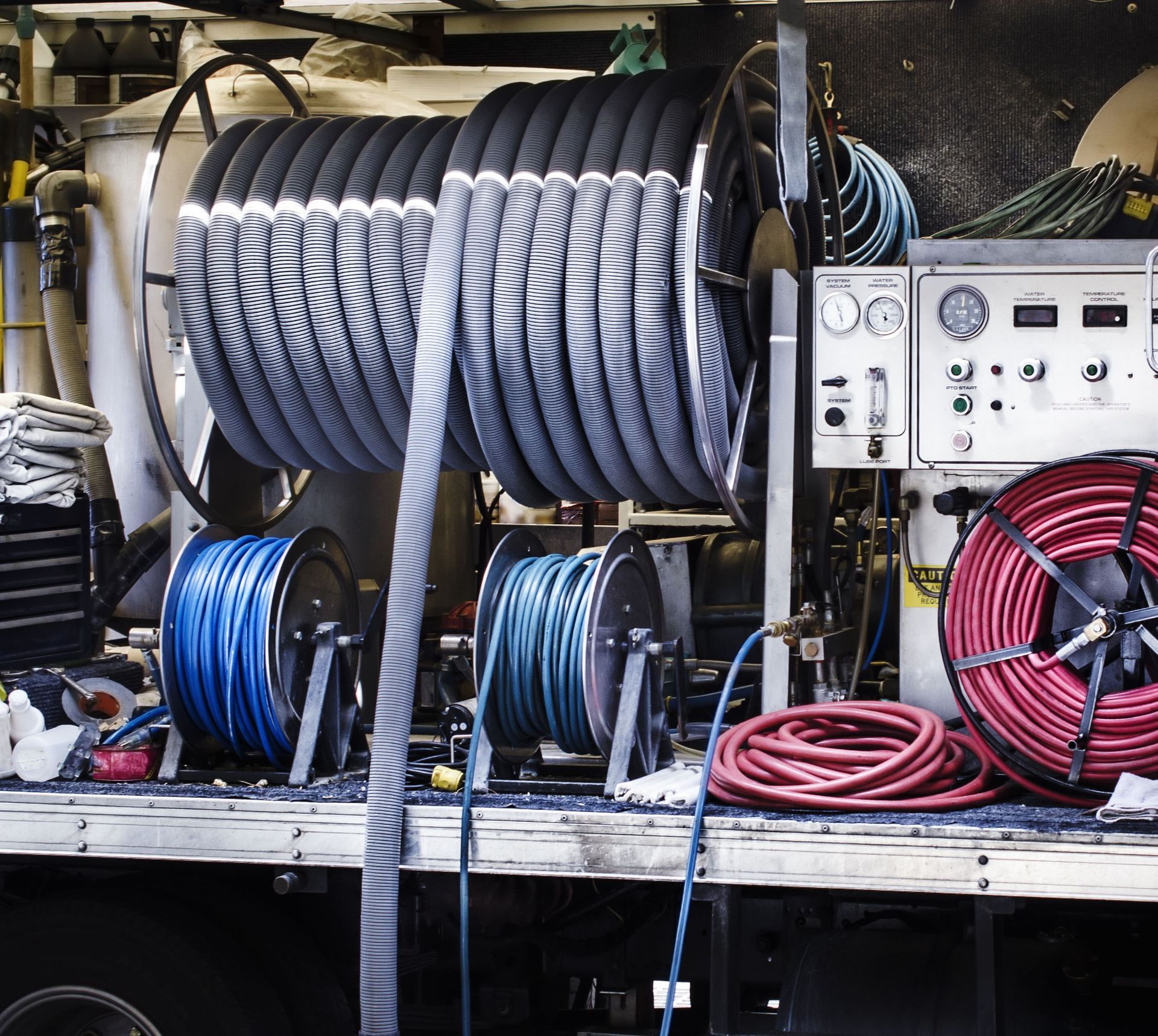
Vacuum extraction moves unwanted material out of a system, but the collected material still requires appropriate handling. Storage tanks contain debris, sludge, and liquid waste as part of the removal process, connecting work at the original location with transport and disposal. For a municipality or facility operator, this means the cleaning need includes what happens after extraction. Restoring usable drainage or treatment capacity leaves a related responsibility to manage the material removed.
Different materials and applications call for attention to appropriate handling and disposal. Containment and liquid waste transport make vacuum equipment useful where removing material from the original asset is only part of the job. Professional service connects those stages with the disposal needs of the collected waste, helping organizations address the accumulation without leaving the extracted material at the site. That connected process adds practical value to equipment already used for cleaning and excavation.
The value of vacuum equipment becomes clear when removing accumulated material allows essential systems and planned work to continue. That practical need gives professional removal a role beyond a single project, with demand rooted in the ongoing care of working infrastructure. At ASC Environmental Services Inc, we provide vacuum truck cleaning and waste removal that support these operational needs. Contact us to discuss the cleaning or removal requirements for your system or project.