November 20, 2026
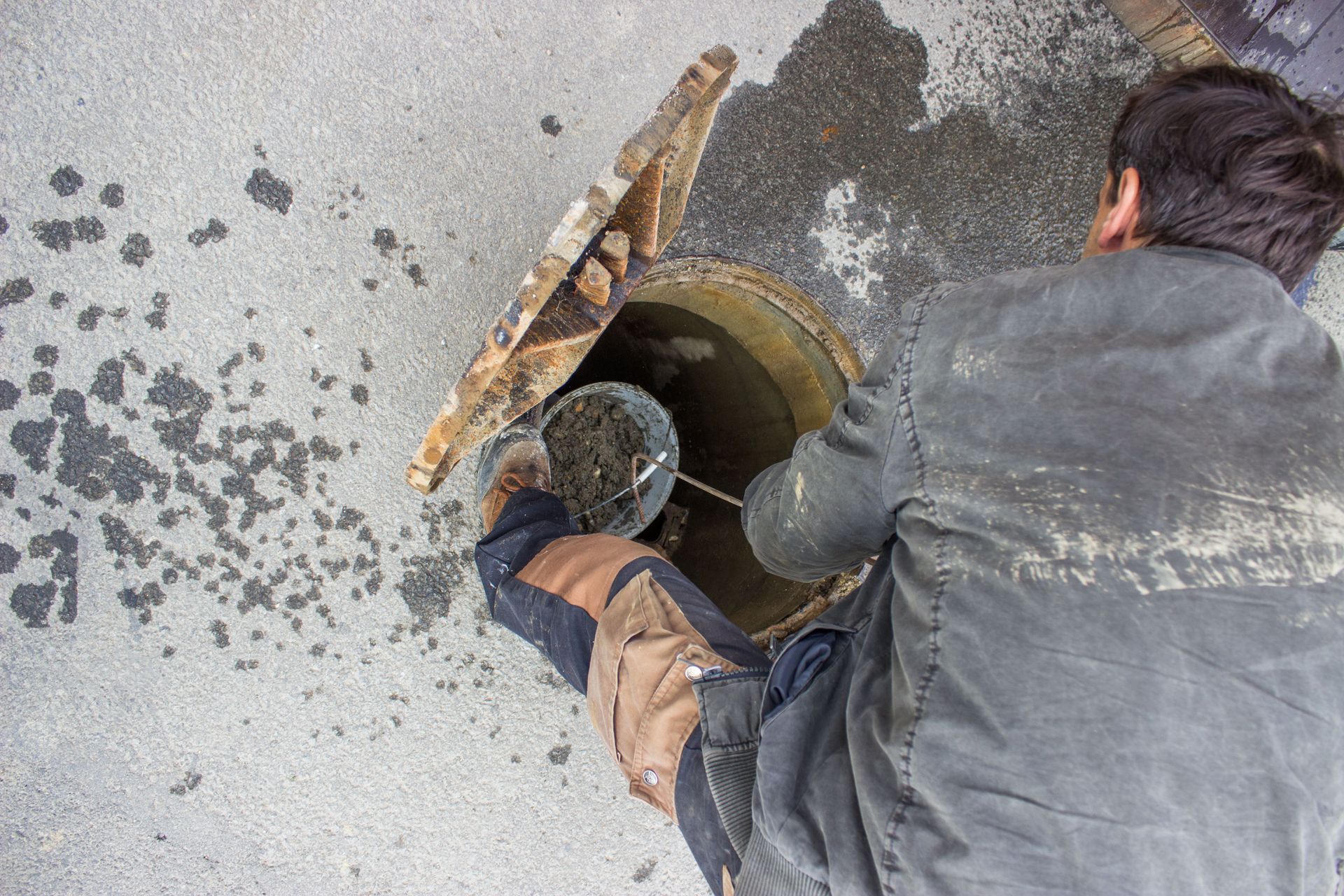
The intricate network of sewer systems forms the backbone of modern urban living, operating silently beneath our bustling streets. These essential services ensure that wastewater and runoff are constantly managed, protecting public health and maintaining environmental harmony throughout the community. Yet, the function and significance of these underground systems often remain unnoticed by the general public until a serious issue arises. Shedding light on the complexities of these subterranean networks reveals the monumental effort required to keep neighborhoods safe, clean, and functional. Without regular maintenance and specialized heavy equipment, towns would quickly face severe sanitary and ecological crises. A critical component of this ongoing municipal maintenance involves utilizing reliable local vacuum truck services to clear blockages, transport heavy waste, and maintain optimal flow. By understanding the vital role of these hidden systems, residents can better appreciate the daily dedication that goes into urban sanitation and wastewater management. Recognizing the unseen labor beneath the pavement highlights the importance of supporting robust public works initiatives.
Evaluating Underground Infrastructure
The development of underground waste networks has a rich history rooted in the fundamental need for effective public sanitation. Early civilizations introduced basic trenches and masonry pipes to manage runoff, which eventually evolved into the highly sophisticated pipelines used in modern municipalities today. Civil engineers face significant challenges when designing and expanding these networks to accommodate rapidly growing populations. They must carefully navigate existing underground structures, manage varying soil conditions, and ensure the pipelines can withstand constant usage and immense pressure from above. Materials such as reinforced concrete and durable plastics are carefully selected to provide longevity, resist corrosion, and prevent leaks. As these expansive networks age, ongoing maintenance becomes essential to prevent structural failures, sinkholes, and widespread utility disruptions. Technicians frequently deploy advanced diagnostic cameras and scanning tools to inspect the integrity of the pipes and identify areas requiring immediate reinforcement. When significant sediment accumulation occurs within these aging networks, municipalities rely heavily on local vacuum truck services to extract dense sludge and immovable debris. This proactive extraction prevents minor blockages from escalating into pipe bursts or system-wide backups, thereby preserving the structural integrity of the entire underground framework.
Managing Municipal Networks
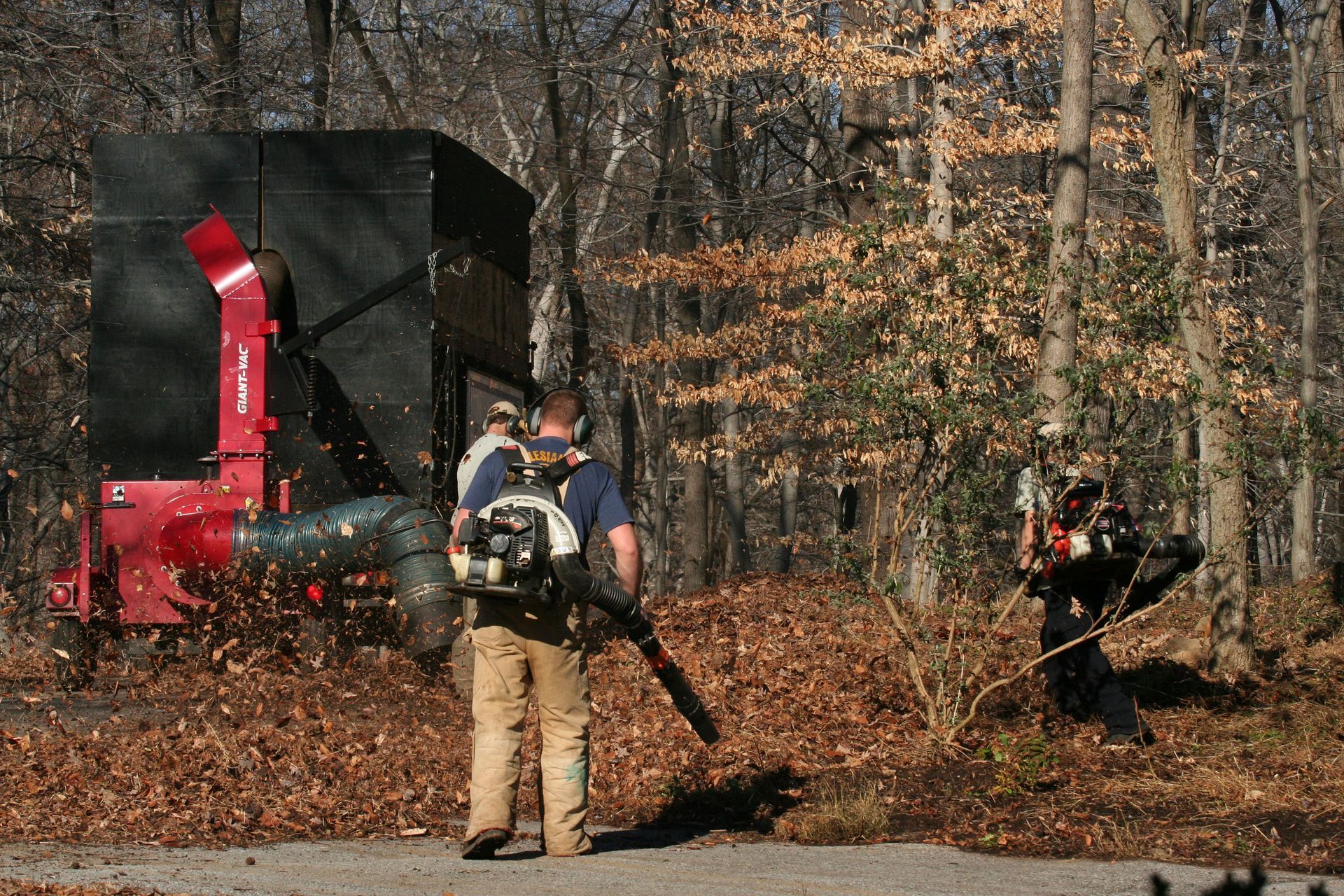
Stormwater management represents another critical function of subterranean sanitation systems, especially during periods of heavy rainfall. When severe storms strike, massive volumes of water wash over paved streets, carrying debris, fallen leaves, and thick sediment directly into the municipal drainage networks. If these drains are already partially obstructed by everyday buildup, the sudden influx of stormwater can easily overwhelm the system, leading to dangerous surface flooding and property damage. Routine extraction of this accumulated sediment is necessary to maintain maximum flow capacity throughout the unpredictable rainy season. According to Wi-FiTalents, municipal sewer cleaning accounts for 45% of total vacuum truck service calls. This statistic highlights just how vital specialized extraction vehicles are to routine civic maintenance and proactive flood prevention. By clearing out neighborhood catch basins and storm drains long before severe weather hits, communities can significantly reduce the risk of overwhelming their delicate infrastructure. The strategic, scheduled deployment of local vacuum truck services ensures that drainage networks remain clear and fully operational year-round. Dedicated sanitation crews work diligently to remove the heavy sludge that naturally accumulates over time, allowing stormwater to flow freely and safely away from vulnerable residential areas and busy commercial districts.
Preventing Environmental Contamination
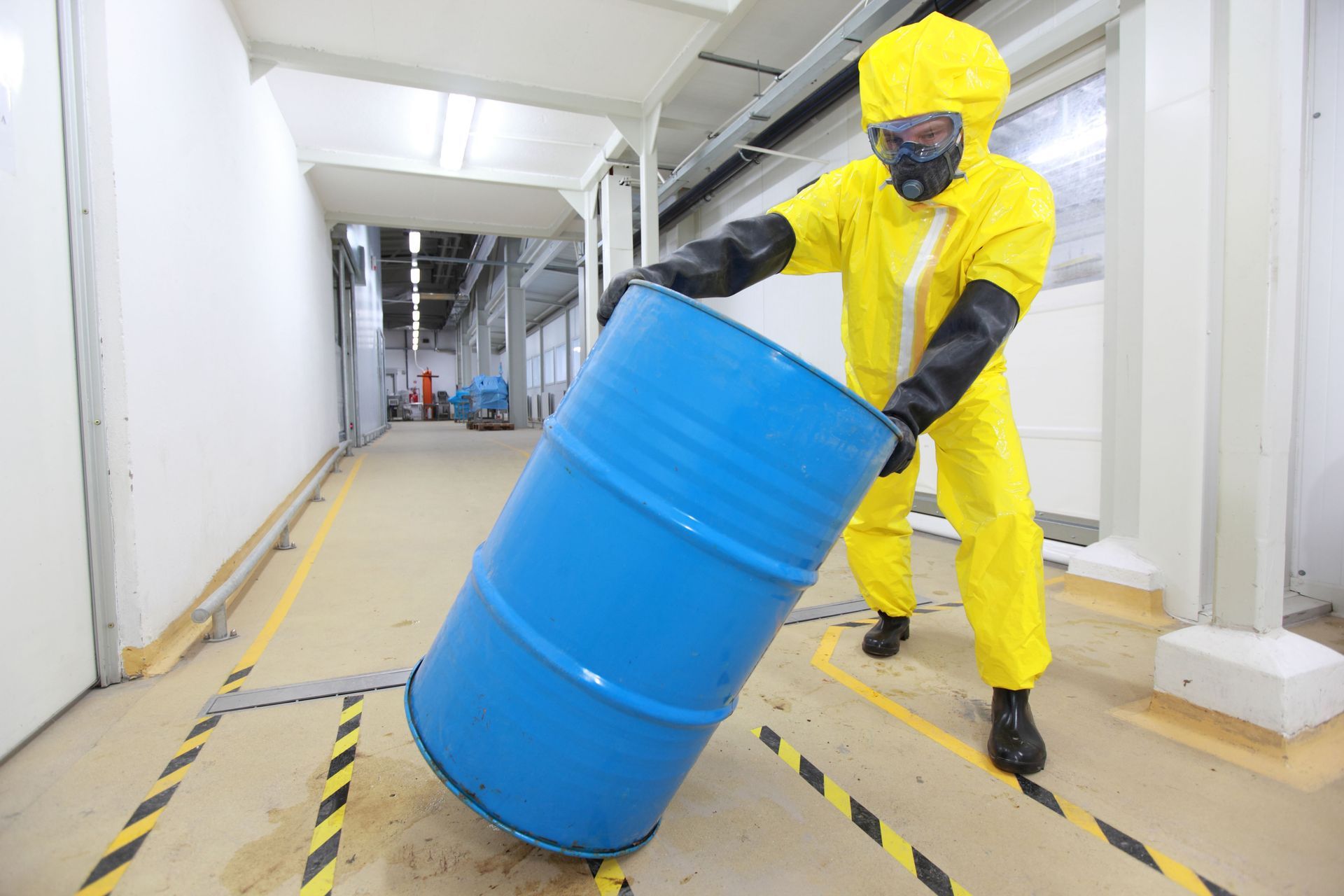
Safeguarding the natural environment remains a primary objective of any responsible municipal wastewater network. Effective waste management actively prevents harmful substances, chemicals, and untreated sewage from seeping into waterways or pristine groundwater reservoirs. This protective role is crucial for preserving delicate aquatic ecosystems and ensuring that local drinking water sources remain uncontaminated. When underground pipes crack or overflow due to severe blockages, the resulting contamination can devastate local wildlife habitats and pose severe health risks to the entire community. To prevent these ecological disasters, treatment facilities enforce stringent safety protocols and conduct continuous monitoring of regional water quality. Furthermore, the physical maintenance of the pipes themselves is required to prevent raw sewage from escaping the system. Scheduled cleanings remove the thick buildup of greases, oils, and inorganic materials that constantly threaten to choke the flow of wastewater. By contracting professional local vacuum truck services, facility managers can safely and efficiently transport hazardous accumulation to proper, designated treatment centers. This careful handling of volatile waste materials ensures that harmful pollutants are neutralized appropriately rather than being accidentally released into the surrounding natural environment, thus protecting community health and local biodiversity alike.
Mitigating Unexpected Emergencies
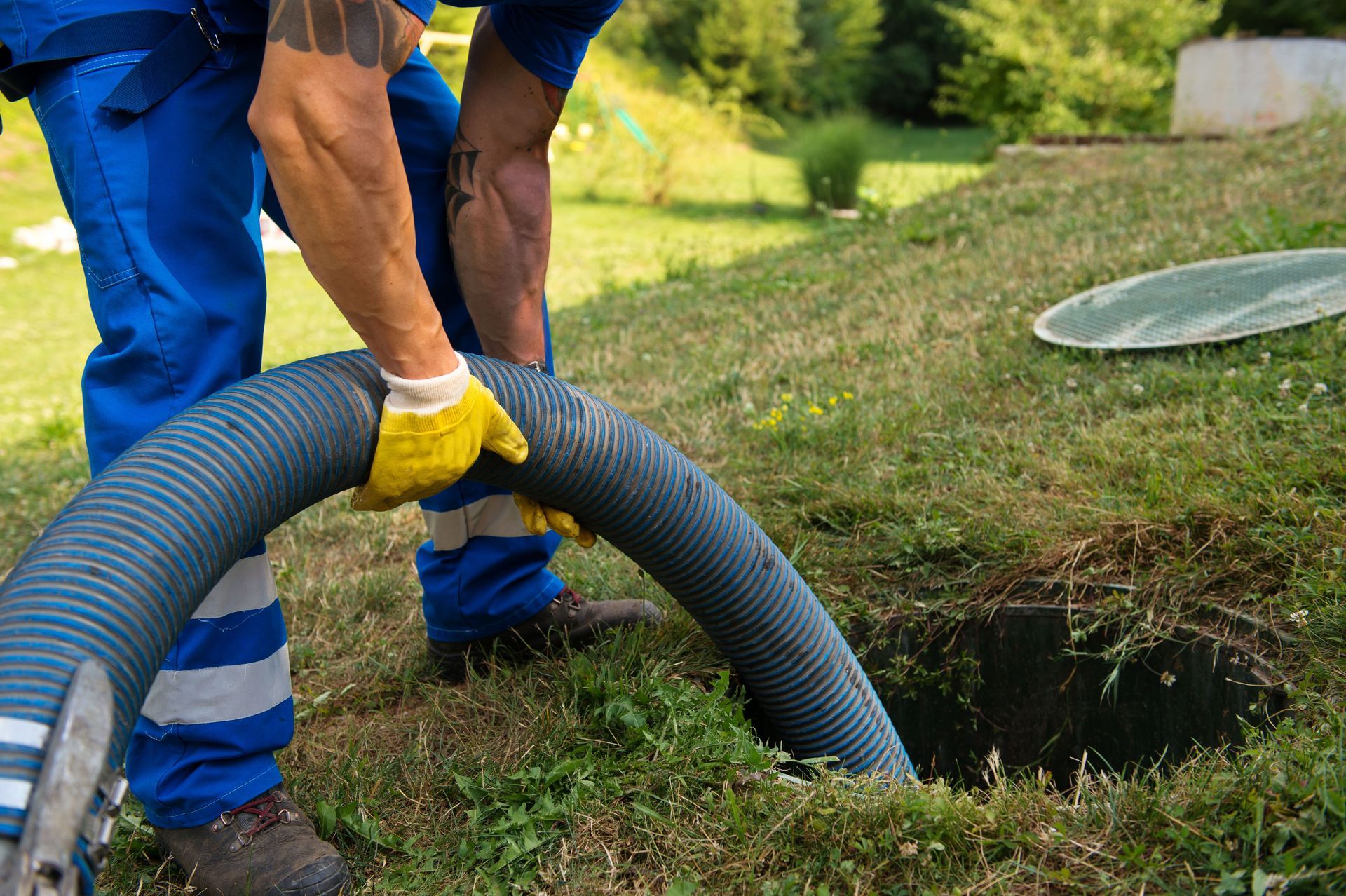
Despite the most thorough preventive maintenance strategies, unexpected emergencies and sudden pipe blockages can still occur within complex sanitation networks. Intrusive tree roots, shifting underground soil, and the improper residential disposal of solid waste can all contribute to rapid and severe network obstructions. When a critical blockage happens, raw sewage can rapidly back up into public streets or even private residential properties, creating a hazardous and deeply unsanitary environment that requires immediate professional intervention. Swift response times are necessary to mitigate the damage and restore normal system functionality as quickly as possible. Maintenance crews must arrive on the scene fully equipped with specialized heavy machinery capable of dislodging stubborn obstructions located deep within the subterranean pipeline. High-pressure water jets and incredibly powerful suction equipment are typically deployed to break apart and entirely remove the offending materials. In these urgent situations, the immediate availability of local vacuum truck services makes all the difference in containing the spill and minimizing property damage. These powerful machines rapidly extract the overflowing wastewater and clear the solid debris causing the jam, allowing the network to resume normal operations without further delay. Thorough emergency protocols ensure that communities remain protected even when unpredictable infrastructure failures strike without warning.
Embracing Sustainable Technologies
The promising future of municipal wastewater management is closely tied to the adoption of sustainable practices and innovative technological advancements. Modern facility operators are increasingly integrating smart network sensors and real-time monitoring devices throughout their underground infrastructure. These advanced digital tools can instantly detect subtle changes in flow rates and structural pressure, alerting municipal engineers to potential blockages long before they cause a visible overflow. By thoroughly analyzing this continuous data stream, municipalities can optimize their maintenance schedules, targeting specific trouble spots rather than relying solely on arbitrary timelines. Additionally, green infrastructure initiatives, such as permeable pavements and constructed wetlands, are being successfully implemented to naturally filter surface runoff and greatly reduce the overall burden on traditional subterranean pipes. These eco-friendly solutions work seamlessly in tandem with traditional infrastructure to create a much more resilient and sustainable sanitation framework. Even with these digital advancements, the physical, manual removal of solid waste remains an absolute necessity for system health. Forward-thinking communities integrate their new monitoring technology with established local vacuum truck services to create a highly efficient, responsive, and environmentally conscious waste management strategy that serves the public effectively while significantly minimizing ecological impact.
The essential wastewater networks operating silently beneath our streets require constant vigilance, innovation, and dedicated maintenance to function properly. From preventing severe environmental contamination to safely managing sudden stormwater surges, these hidden underground systems are fundamental to the safety and prosperity of any modern community. Routine visual inspections and professional cleanings are non-negotiable requirements for preserving this vital civic infrastructure and preventing disastrous structural failures. Addressing these critical maintenance needs promptly ensures a clean, safe, and healthy environment for all neighborhood residents. Call ASC Environmental Services Inc today to learn more about how professional local vacuum truck services can support and protect your community infrastructure.